Strengthening Family Bonds as an Expat Family: Intentional Ways to Involve Grandparents in Hong Kong

As a therapist supporting the wellbeing of expat parents in Hong Kong, I recognise how busy schedules during holidays make meaningful family time invaluable. In the hustle and bustle of city life, Grandparent Season (“aka the cooler months between November and April each year) offers an intentional opportunity to deepen bonds, share traditions, and allow grandparents to play an active role in everyday life. The following simple, practical ideas fit seamlessly into tight schedules and honour the varying ages and abilities of family members, ensuring that everyone can participate in nurturing these important connections. This blog has been written to offer practical, intentional parenting strategies, self-care tips to manage holiday stress of parents navigating expat life in Hong Kong.

Intentional ways to foster connection and strengthen relationships as an expat family with grandparents
Navigating the balance of nurturing meaningful relationships with grandparents during their visits to Hong Kong can be both rewarding and challenging for expat families. The importance of these connections lies in the rich family history and emotional support grandparents provide, which can greatly enhance a child’s sense of security and belonging. However, feelings of guilt often arise when trying to juggle work, household responsibilities, and quality time with family. Expats may struggle to find the sweet spot that allows for genuine interactions without overwhelming schedules or sacrificing personal well-being. By intentionally creating opportunities for connection, such as shared activities or simple routines, families can foster deeper bonds while managing the complexities of modern life.
1. Involve Grandparents in the school routines
Why it helps: Involving grandparents in the school drop-off or pick-up routine is an excellent way for them to witness the ordinary, yet significant, aspects of a child’s daily life. It allows them to feel included in the child’s world and can strengthen the bond between grandparent and grandchildren.
How to make it work: Coordinate with grandparents to come along one or two days a week. Keeping the interactions short and ritualised—like sharing a wave at the school gate or stopping for a quick snack on the way—helps to ensure that this activity fits comfortably into everyone’s schedules.
Tip: Rotate the grandparents’ roles to provide variety without overwhelming them.
2. Make movement and connection a priority
Why it helps: Walking together as a family encourages relaxed conversation and promotes physical activity, all while creating shared sensory memories across generations. These outings offer a perfect backdrop for families to connect and share experiences.
Recommended routes in Hong Kong: Consider stunning walks like Tai Tam Family Walk or walk or scooter along the waterfront promenades, such as the ones along Victoria Harbour. The Deep Water Bay to Repulse Bay trail also provides scenic views, making it a pleasant outing. Morning Trail is another excellent choice for its accessibility and beautiful scenery.
Practical adjustments: Select paths that include benches and shaded areas to accommodate the needs of grandparents. Bring along water and easy-to-carry snacks to keep everyone energised. Make sure to select a walking time that aligns with the energy levels of grandparents to keep the outing enjoyable.
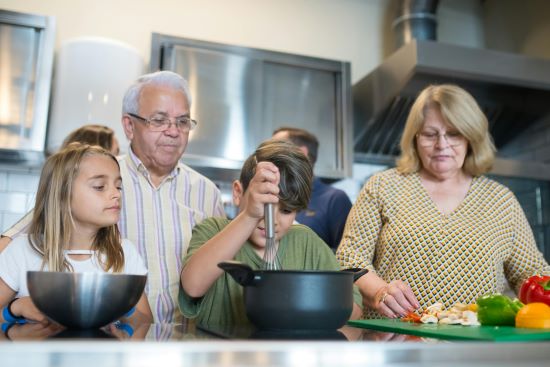
3. Make a family favourite meal together
Why it helps: Cooking a grandparent’s signature dish is a wonderful way for children to connect with family history and cultural roots. Engaging in this shared activity not only strengthens family bonds but also allows the younger generation to build cultural and intergenerational ties. In the book “Nourished”, Deborah Mcnamara explains mealtimes as times of connection, fostering attachment, and creating a sense of belonging to each other, to the family unit.
Sharing the table and meals with grandparents offer a unique opportunity to nurture intergenerational relationships, offering grandparents a unique opportunity to “take care” of their younger generations through their love language of food.
How to include the kids: Involve children by letting them measure ingredients, stir the pot, or set the table. You can also record a short video of the cooking session, capturing both the recipe and the stories behind it. Tip: Make it a tradition by turning it into a “heritage meal” celebrated once a year year, ensuring that these family recipes and stories remain alive and vibrant.

4. Schedule Grandparent-Grandchild “date”
Why it helps: One-on-one outings foster trust, independence, and unique memories. These special moments allow grandchildren to foster deeper relationships with their grandparents beyond family gatherings. It also allows grandparents develop their unique bonds with their grandchildren.
How to plan: Allow the child to choose a simple restaurant or café for their outing. Set a clear pick-up time so both parties are prepared. Encourage grandparents to bring along a small activity or a conversation starter to enhance the outing. Boundaries: It’s essential to agree on transport and safety details in advance so parents can relax, knowing everything is prepared.
5. Watch Classic Family Movies, Play Board Games, Read together
Why it helps: Sharing media, such as watching classic films, read stories, playing board games, looking at family photos creates common cultural touchstones that can inspire storytelling about experiences of “when I was young.” These shared activity can lead to interesting conversations that reveal family history. These stories further strengthen individual and family identity, which can be nuanced as an expat family raising expat children.
How to organise: Curate a short list of classic movies, sieve through old family photos, or bring out some of your favourite family story books suited to your child’s age. Create a lovely, relaxed, welcoming atmosphere and invite grandparents and grandchildren in. Extension: After the experience, encourage grandparents to share their favourite quotes, memories, learnings enhancing the connection through stories that resonate across generations.
6. Let Grandparents lead Bedtime
Why it helps: Bedtime is a uniquely special time filled with emotional richness. Having grandparents read stories, sing lullabies, or provide quiet snuggles can create calming and intimate memories that children will cherish.
How to integrate: Schedule occasional evenings when grandparents can take on the bedtime routine. Provide them with a small “bedtime kit,” consisting of a favourite storybook and a brief note detailing any specific routines the child might expect.
Benefits for Working Parents during Holidays
Engaging in these activities during this special time of year offers a host of benefits for working mothers and their families:
- Emotional support: Grandparents feel valued, children experience warmth and stability, and mothers gain practical help along with emotional relief.
- Inter-generational learning: Children inherit rich family stories and cultural traditions, while grandparents enjoy maintaining active roles and a sense of purpose.
- Sustainable routine: Small, repeatable activities are typically easier to maintain than grand events, fostering memory-rich habits over time.
Practical Tips for Expat families during holiday season to foster connection:
To further enhance these connections, consider the following quick tips:
- Plan one small activity per week: Consistency helps keep connections strong.
- Communicate clearly: Discuss routines, timing, transport, and children’s preferences and limits to ensure everyone is on the same page.
- Adapt for mobility and energy: Consider shorter walks, seated picnic options, or accommodating tasks in the kitchen to allow participation from all family members.
- Capture moments: Take photos or record short voice notes during activities to share later, preserving memories.
- Set boundaries: Ensure grandparents enjoy time with their grandchildren without feeling obligated to become full-time caregivers unless that is their desire.
In Conclusion
Grandparent Season in Hong Kong offers a timely opportunity to ignite connections and create lasting memories between generations. With a thoughtful approach, these simple activities can enrich family life for working mothers and their children while honoring the cherished role grandparents play. Each moment spent together is an investment in family bonds that can yield emotional rewards for years to come. By prioritising these connections, we can celebrate the unique relationships that contribute to our children’s upbringing and well-being.
Written by Lisel Varley
Related blog stories



Join our community