Want to Raise "Confident", "Independent" Kids? Secure Attachment is the answer

Secure Attachment Confident teenager
Independent Kids are created through Healthy Interdependence
I want to start by dismantling something that I hear everywhere in Hong Kong parenting circles. It comes up at school gates and dinner tables and all too often in my therapy room. I get it, it comes from parents who are trying their very best to offer their kids the best start to life in the real world.
They carry this idea that the goal of successful parenting is raising independent children. Children who do not need us too much. Children who regulate themselves, manage their emotions on their own, and eventually launch into the world without looking back. I understand where this idea comes from. Yet,I want to offer you something different. Controversial as it may sound..
“The goal of emotional development is not independence. It is healthy interdependence. And the path there runs through connection and attachment”
What we mean when we say we want to raise "Independent", "Confident" Kids
When most parents in Hong Kong tell me they want to raise a confident child, I always ask them to describe what that looks like. The answers are almost always the same.
- A child who can walk into a room and feel comfortable in their own skin.
- A child who can ask for help when they need it.
- A child who can feel an uncomfortable emotion without falling apart or shutting down.
- A child who can walk away from friendships and situations which do not feel “right”.
- A child who trusts their own judgment, recovers from setbacks, and knows, somewhere deep inside them, that they are worthy of love.
That is not a description of independence. That is a description of secure attachment.
And here is what the research is absolutely clear about raising confident kids:
Inner security, that quiet settled confidence, is not built by teaching children to need us less. It is built by making sure they know, over and over, that we are reliably there. By being their safe haven they run to, and the secure base they launch from.
The Science: Co-Regulation before Self-Regulation
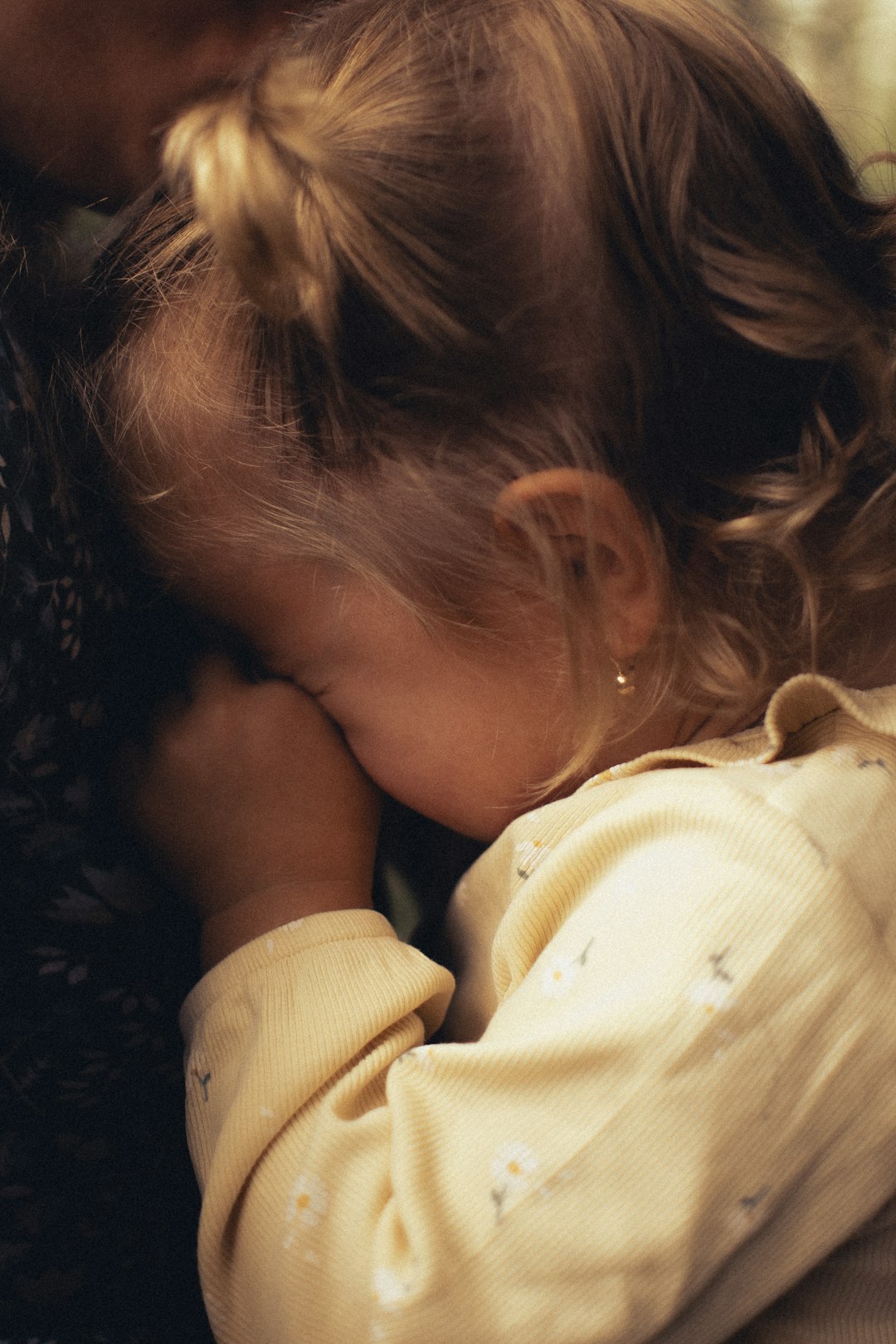
Here is something that I find both humbling and deeply reassuring: children cannot regulate their own emotions alone. The parts of the brain, the frontal lobes responsible for emotional regulation are built through the repeated experience of being co-regulated by a calm, present adult.
Co-regulation is the process by which your steady, regulated nervous system reaches across to your child’s activated one, and gradually helps it come back to calm. It happens through your tone of voice, your body language, your breathing, your physical proximity. Before your child has the words to name what they are feeling, they are already reading your nervous system for information about whether the situation is safe.
We do not teach children to regulate themselves by leaving them to manage alone. We build regulation in them by regulating with them, thousands of times, over the years.
This changes everything about how we respond to a child who is upset, overwhelmed, or falling apart. When we send a child to their room to calm down, we are asking them to do something neurologically impossible at that developmental stage. We are removing the very resource their nervous system is looking for. When we stay close, breathe steadily, and offer warmth even in the middle of the storm, we are doing something that has measurable, lasting effects on how their brain develops.
Emotions must be felt, but they are never meant to be felt alone
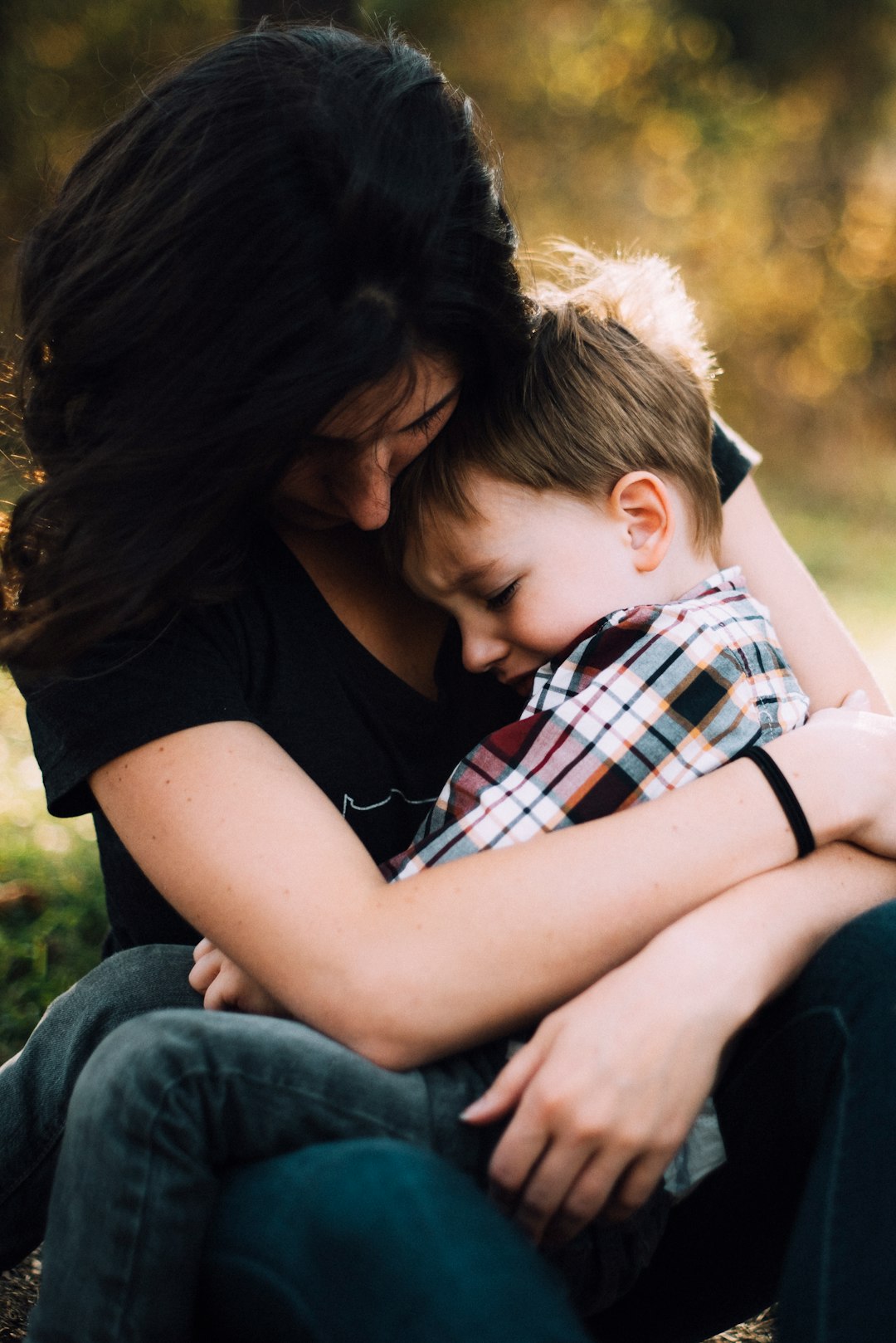
Eli Harwood says something that I keep returning to. Feelings were never meant to be managed alone. They were designed to be shared, held, and witnessed by someone who stays.
This goes beyond social and emotional intelligence. It is neurology at work. Limbic resonance, the phenomenon by which two emotionally connected people’s brains synchronise, means we are wired to feel together. Our nervous systems are designed to co-regulate. Connection is not a nice-to-have in emotional development. It is the mechanism.
The goal of emotional development is not that our children learn to handle their feelings by themselves. It is that they develop the capacity for healthy interdependence.
- Knowing how to feel with someone.
- Knowing how to ask for help when they are struggling.
- Knowing that needing another person is not weakness, it is how human beings are wired for, connection.
In Hong Kong, where high performance and self-sufficiency are so deeply valued, I watch parents quietly pass this belief onto their children without meaning to. We praise children for not crying. We celebrate stoicism as strength. When our children hear us say “You are fine”, “Be brave”, “That’s nothing” … even before they have had a chance to really consider if those words hold truth, they internalise a belief that stoicism is a sign of strength. They learn that uncomfortable feelings are inconveient. That managing “alone” is the goal. That needing is a problem. That is not confidence. That is a coping strategy. The results of these messages shows up later, in relationships and in therapy rooms, when the feelings that were never allowed to be felt finally find their way out.
Emotion Coaching: The Four Steps

Gottman’s research on emotion coaching changed the way I work with families. Research from the Gottman Institute found that children raised by parents who acknowledged and validated their emotions, rather than dismissing or punishing them, developed better relationships, better academic performance, better physical health, stronger social relationships and improved resilience. The research is remarkable.
Emotion coaching is not complicated. But it does require us to shift something fundamental in how we come to accept both our and our children’s uncomfortable feelings. Instead of viewing a child’s upset as a problem to solve or a behaviour to correct, emotion coaching asks us to see it as an opportunity. A moment to build something.
The Four Steps:
- Notice the feeling, even the insignificant and especially the uncomfortable ones. You seem frustrated right now. You look like something is sitting heavily on you today.
- Name it (to tame it). Feelings that have names become less frightening. When we put language to what a child is experiencing, we are literally helping the thinking brain come online alongside the feeling brain.
- Validate it. Their feeling makes sense, even when their behaviour does not. It makes complete sense that you are upset about that. I would be upset too.
- Problem-solve together, later. Once the storm has passed and the nervous system is regulated, then we can think together. Connection first. Problem-solving later. Always.
Independence comes from Healthy Interdependence
This is perhaps the most important reframe in this whole post, and the one that most directly challenges what Hong Kong’s achievement culture tells us about raising children.
The research tells a clear story. The most securely attached children, the ones whose parents were consistently warm, responsive, and emotionally available, are the ones who explore more freely. Who take more risks. Who are more resilient when things go wrong. Who develop stronger friendships and more trusting relationships across their lives. Who are, in every measurable sense, more independent.
Not because they were pushed to be. Because they were held first.
Mary Ainsworth’s Strange Situation studies showed this beautifully. The securely attached infants, the ones whose mothers came back when they left and offered warmth when things fell apart, were the ones who explored most confidently. They were not more independent for having been given less security. They were more anxious.
We do not build independence by withdrawing connection. Nor it is built by thrusting them out of their comfort zones before they are ready. We build it by making connection so reliable that children no longer need to worry about whether that connection, that safe haven is available. They rest confidently in the assurance of that safe haven which allows them to launch confidently.
What this looks like for Hong Kong Families
For those of us raising children in Hong Kong, this conversation has a particular texture. We are parenting inside a culture that measures almost everything by achievement, performance, and self-sufficiency. Where the question asked most often is not how is your child feeling, but how is your child doing.
And many of us are raising children without the village that would naturally share the co-regulation load. Without grandparents around the corner. Without the childhood friends who would notice when our children were struggling.
Which means we matter even more. Our regulation matters more. Our emotional availability matters more. Our willingness to sit in the hard feelings with our children, rather than rushing them through, matters more.
And it also means we need to tend to our own tanks. We cannot offer a regulated, emotionally present nervous system to our children if ours is running on fumes. They borrow our calm in the chaos.
An Inheritance worth Leaving
When we raise children through connection rather than coercion, through co-regulation rather than control, through emotional coaching rather than emotional dismissal, we give them something that no achievement, no exam result, and no prestigious school can provide.
We give them a nervous system that knows how to come back to calm. A heart that knows it is worthy of love. An internal landscape that is spacious enough to hold difficult feelings without being destroyed by them. And a set of relational skills that will serve them in every relationship they ever have.
That is not dependence. That is the richest kind of independence there is.
Here’s a closing thought for you…
We are not raising them to leave us. We are raising them to know they can always come back.
If this resonated and you would like support with emotional coaching or attachment-based parenting, I offer a warm, safe, confidential space for families in Hong Kong.
Not everyone needs therapy, but we can all benefit from reflection. It is a gift we offer not just our children, but our future generations. Our journal allows you to work through at your pace.
Our Substack post includes a printable for subscribers.
lisel@ourflourishingfamilies.com • www.ourflourishingfamilies.com
Related blog stories


Join our community